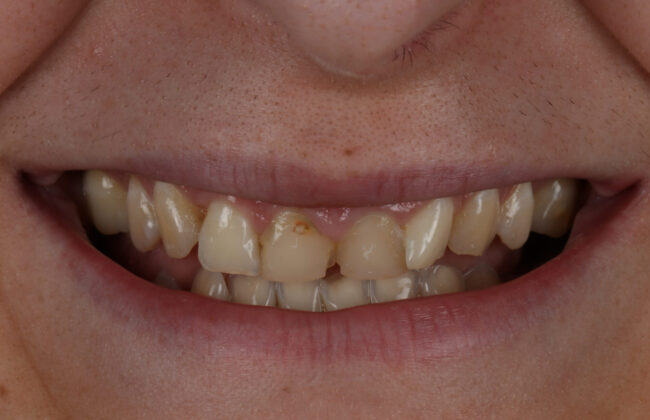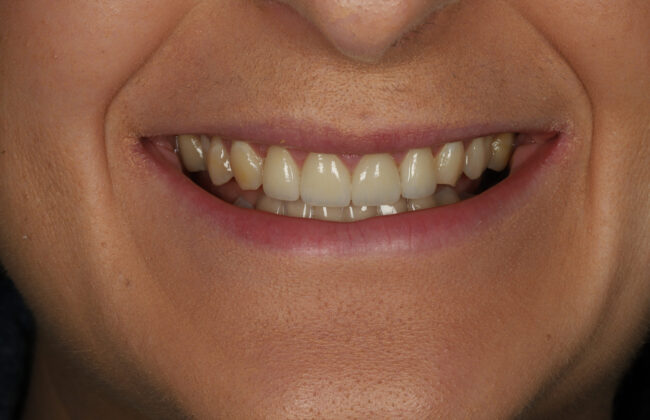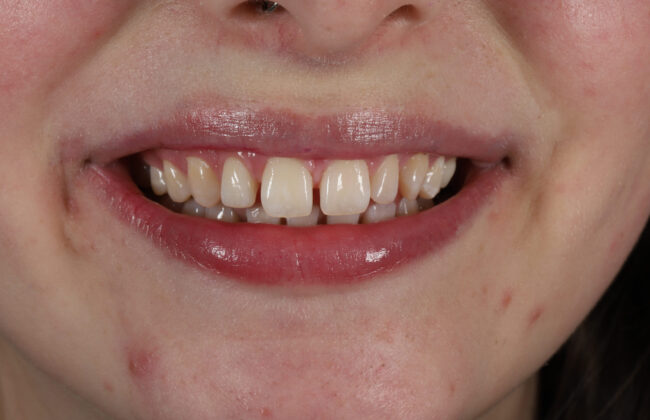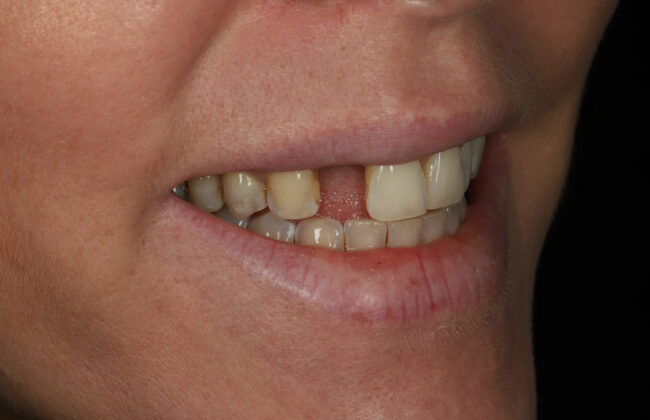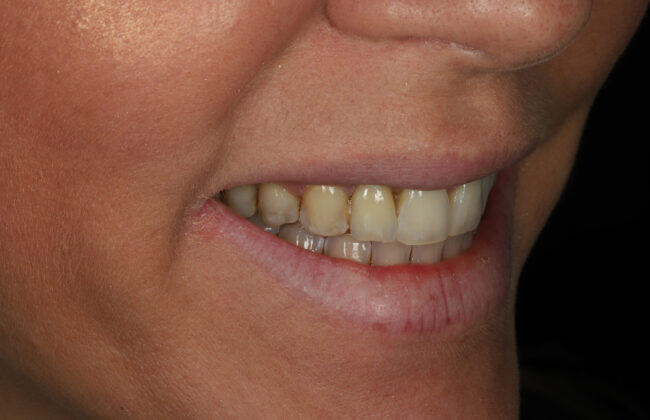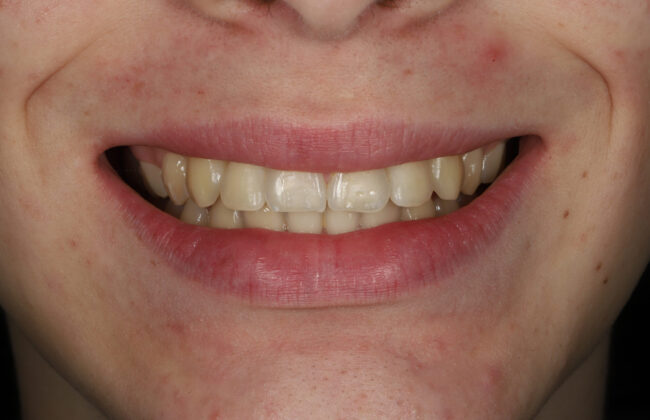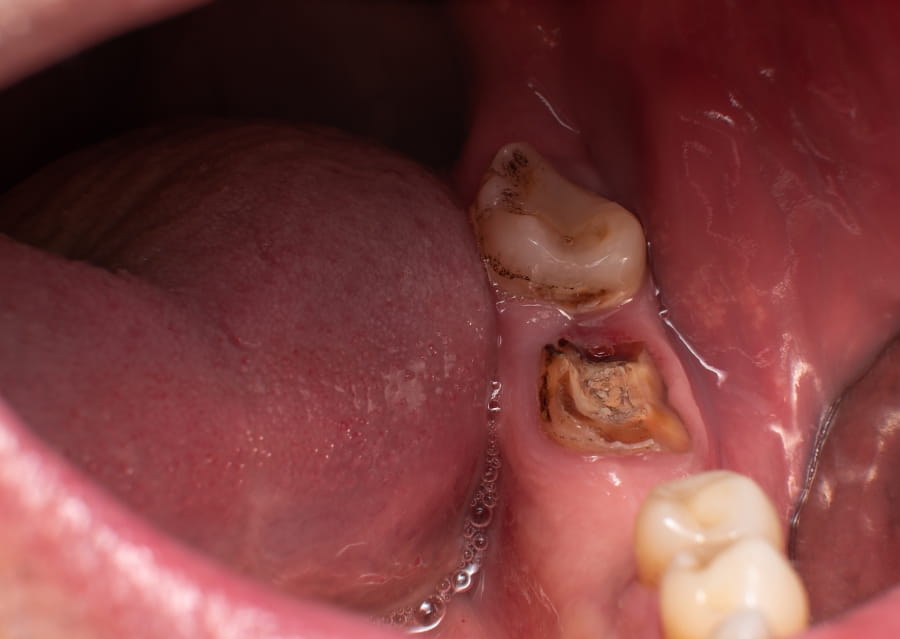
It can begin quietly, and often isn’t visible until it has already started to affect the structure of the tooth.
Tooth decay happens when plaque on the teeth reacts with sugars in food and drink, producing acid that gradually wears away the enamel. Over time, this can lead to small holes in the tooth, also known as cavities.
At Smile Society, the focus is always on early detection and prevention, helping to identify and treat decay before it develops into something more serious.
Tooth decay can affect patients of all ages and may lead to:
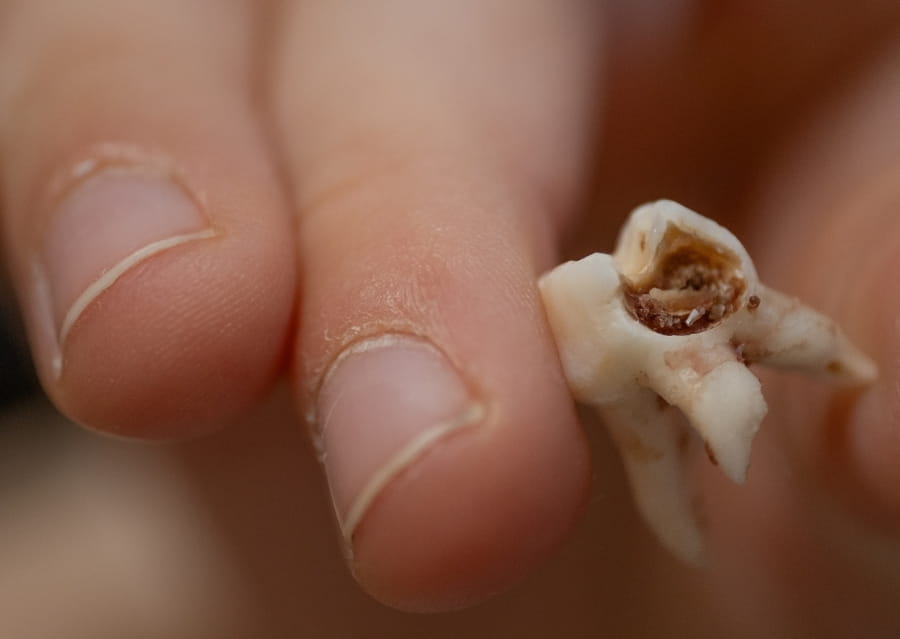
Preventive dentistry should feel supportive, not overwhelming.
At Smile Society, we focus on helping you understand what’s happening with your teeth and why. If decay is identified, we will talk you through your options clearly and recommend the most appropriate treatment.
Tooth decay is often linked to how frequently sugars are consumed rather than just how much.
When sugars from food and drink remain on the teeth, bacteria in the mouth produce acids that gradually weaken the enamel. Over time, this can lead to cavities.
Every story reflects our commitment to care, comfort and confidence.
View testimonials
Early tooth decay does not always cause pain, which is why it can be difficult to spot without a dental check-up.
Some early signs may include increased sensitivity to hot, cold or sweet foods, small visible marks or discolouration on the tooth, or a rough feeling on the surface of the tooth.
In many cases, decay is only detected during a dental examination or on an X-ray, which is why regular check-ups are important.
In its very early stages, tooth decay can sometimes be slowed or stabilised through good oral hygiene and fluoride use.
However, once a cavity has formed, the tooth cannot repair itself, and treatment is usually required to restore the damaged area.
Early detection gives the best chance of managing decay before it progresses further.
No, tooth decay is not always painful, especially in the early stages.
Pain often only occurs once the decay has progressed deeper into the tooth. This is why regular dental check-ups are important, as they allow decay to be identified and treated before discomfort develops.
Preventing tooth decay involves a combination of good oral hygiene and dietary habits.
This includes brushing twice daily with fluoride toothpaste, reducing the frequency of sugary foods and drinks, and attending regular dental check-ups.
Your dentist or hygienist can also provide personalised advice based on your individual risk.
If left untreated, tooth decay can progress deeper into the tooth and may lead to infection.
In more advanced cases, treatment such as root canal therapy or even tooth extraction may be required.
Early treatment is always simpler, more comfortable and helps preserve the natural tooth.

Ready to take the next step? Schedule your appointment today and let our friendly team care for your smile.
Find out more Book online


Find a Smile Society clinic near you. Each location offers the same high standard of care, a welcoming environment, and a patient-first approach.
View locations