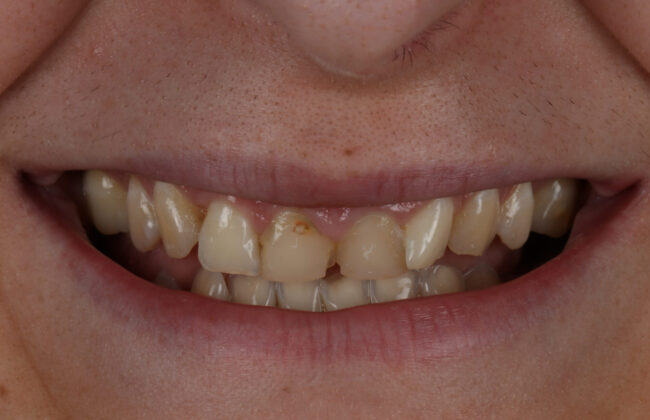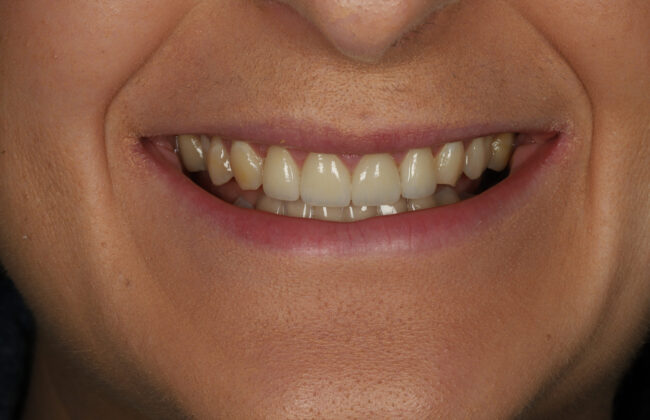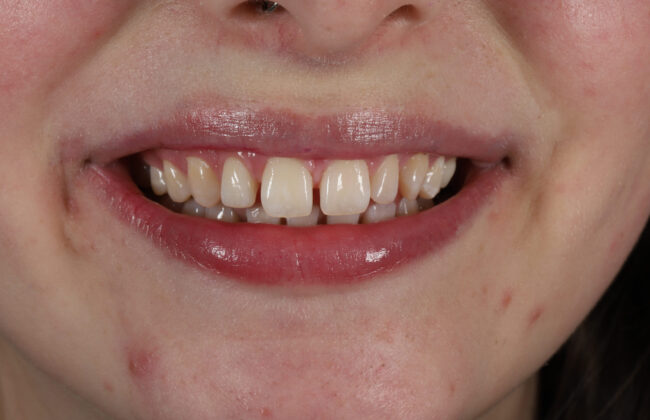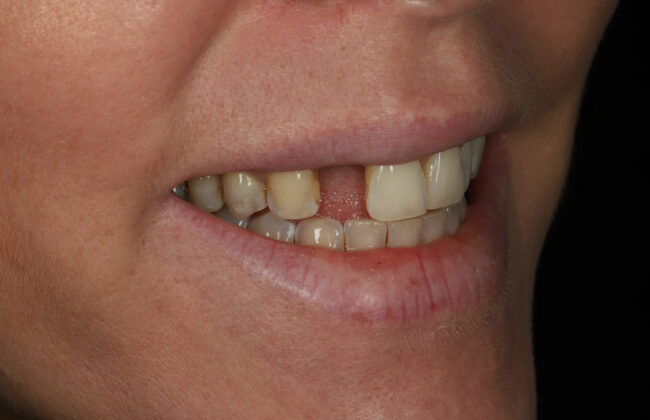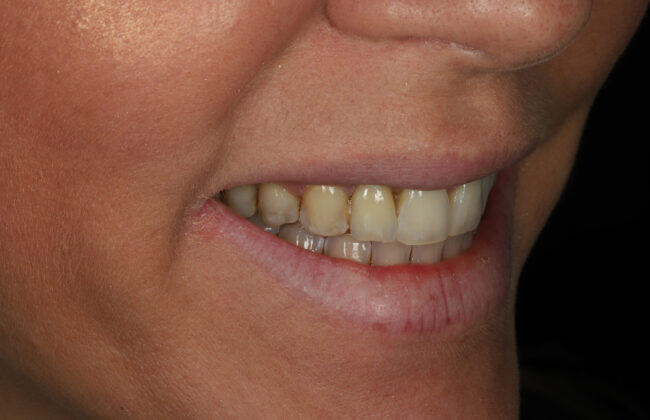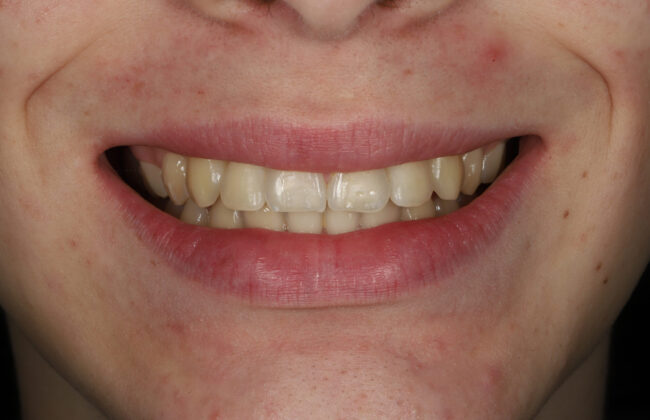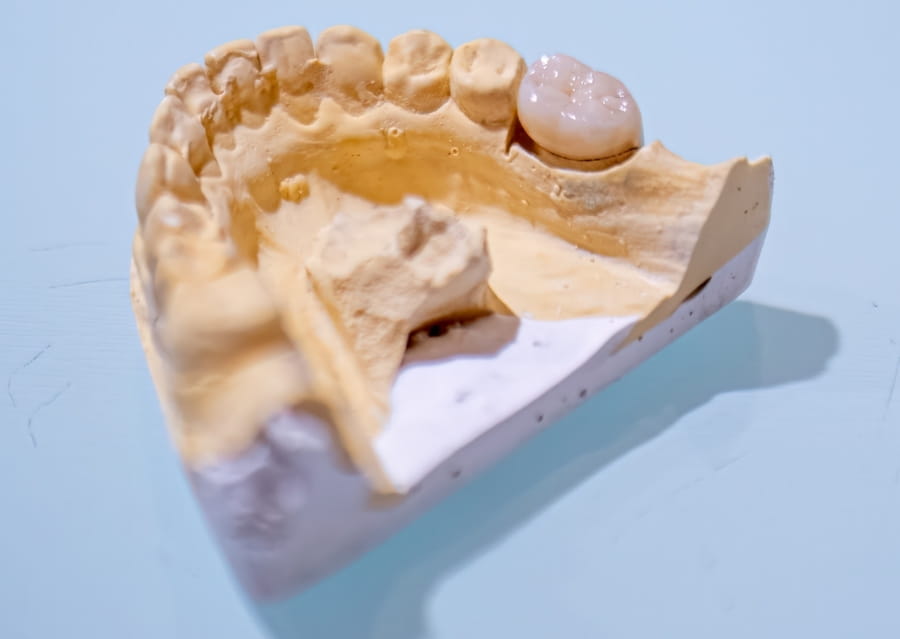
When a tooth is lost, it’s not just the visible gap that changes; the bone beneath can begin to shrink over time.
This can happen gradually, often without obvious symptoms, but it can affect whether dental implants are possible without further treatment.
Bone regeneration (or bone grafting) is a procedure used to rebuild and strengthen the jawbone, creating a stable foundation for future implant treatment.
Bone grafting may be recommended if you:
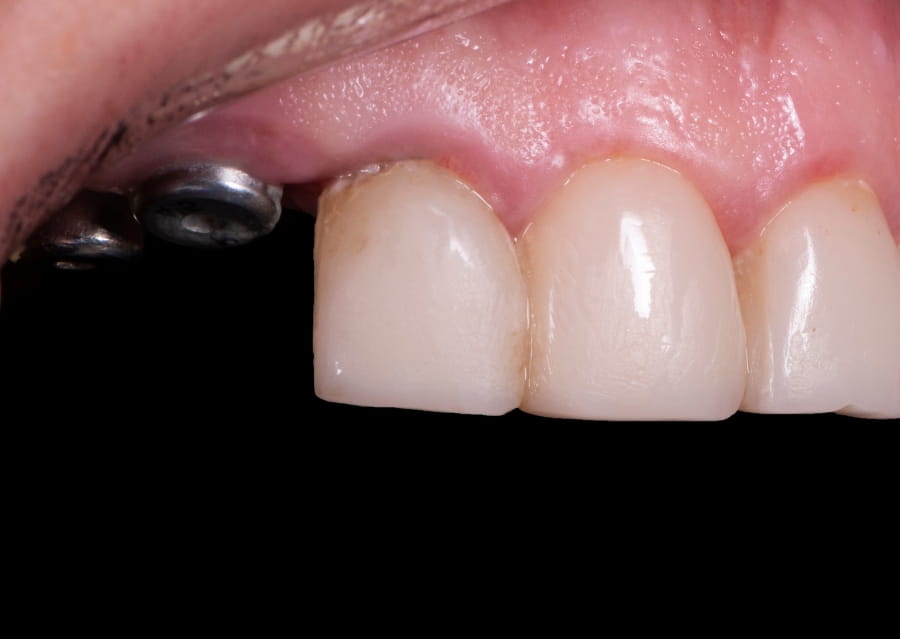
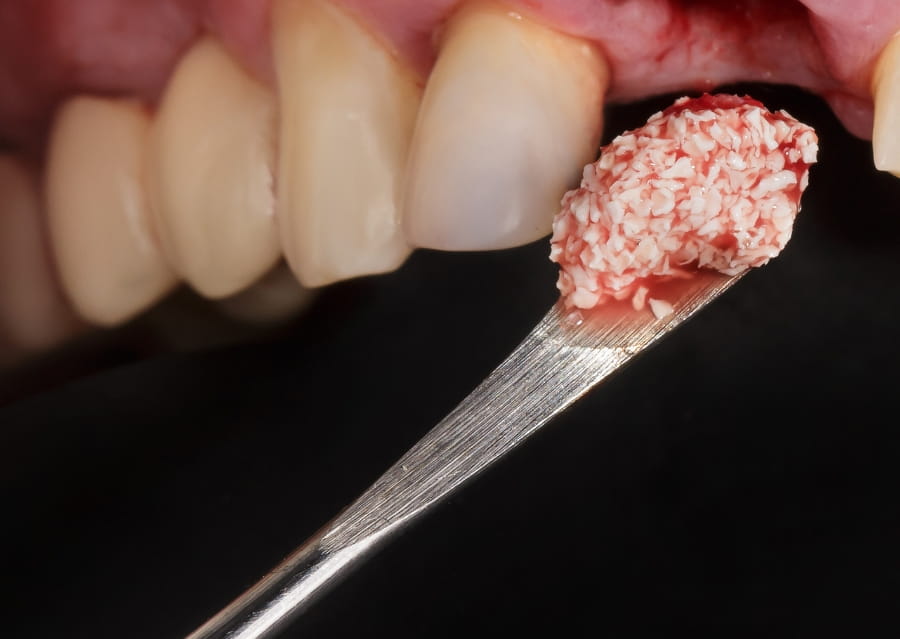
Bone grafting involves placing a specialised material into the area where bone has been lost.
This material acts as a scaffold, encouraging your body to gradually regenerate new bone over time.
Bone regeneration can sound more complex than it is.
At Smile Society, we focus on explaining the process clearly and planning treatment in a way that feels manageable and well-supported.
Bone grafting is often one step within a larger treatment journey.
It may be recommended before:
Every story reflects our commitment to care, comfort and confidence.
View testimonials
Dental implants need enough healthy bone to support them.
If the bone has reduced over time, grafting helps rebuild this foundation so the implant can be placed securely.
No. Some patients have sufficient bone for implants without additional treatment. A detailed assessment will determine what is needed.
Healing time varies depending on the extent of the graft, but it typically takes several months for the bone to fully integrate.
The procedure is carried out with your comfort in mind, and any discomfort afterwards is usually manageable and temporary.
Once the bone has integrated and strengthened, the area can be prepared for implant placement.

Ready to take the next step? Schedule your appointment today and let our friendly team care for your smile.
Find out more Book online


Find a Smile Society clinic near you. Each location offers the same high standard of care, a welcoming environment, and a patient-first approach.
View locations